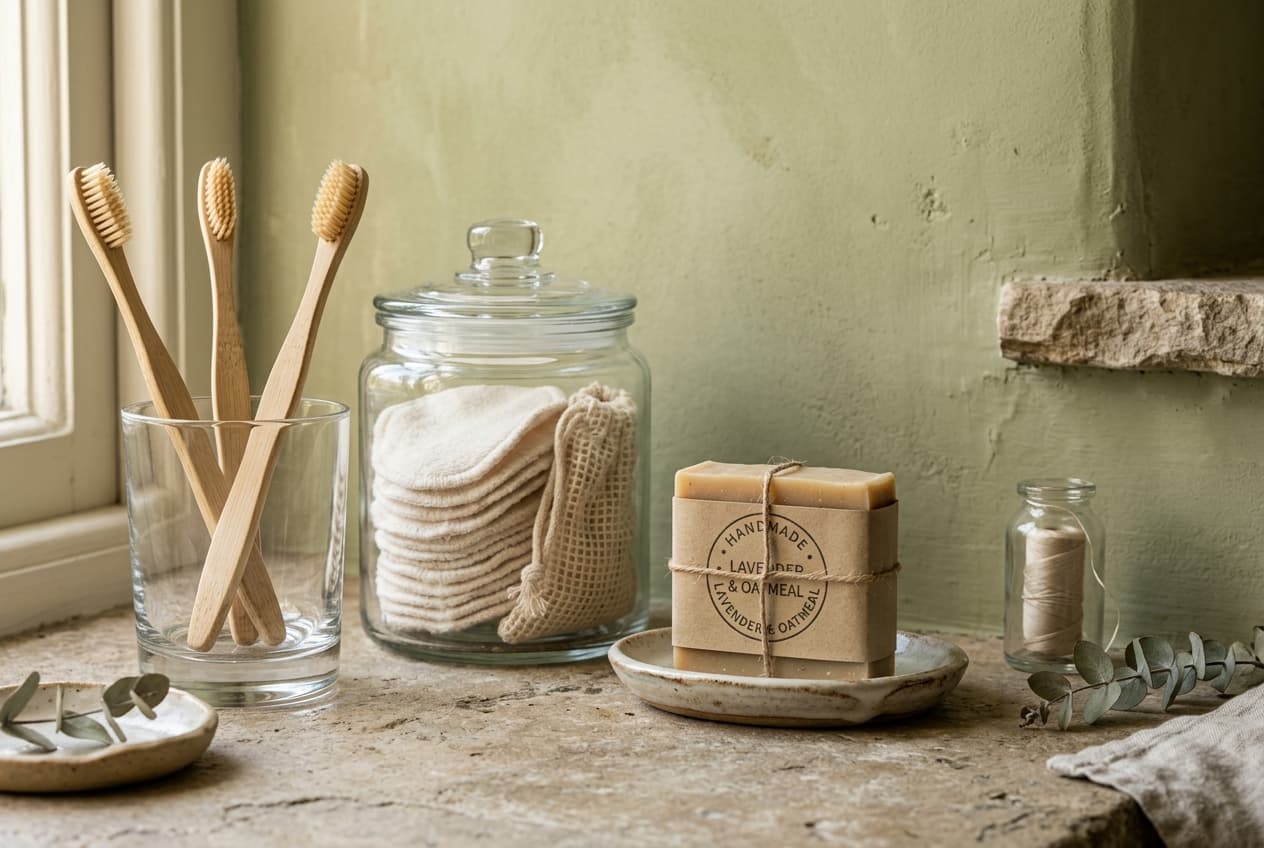
How often should you replace your toothbrush?
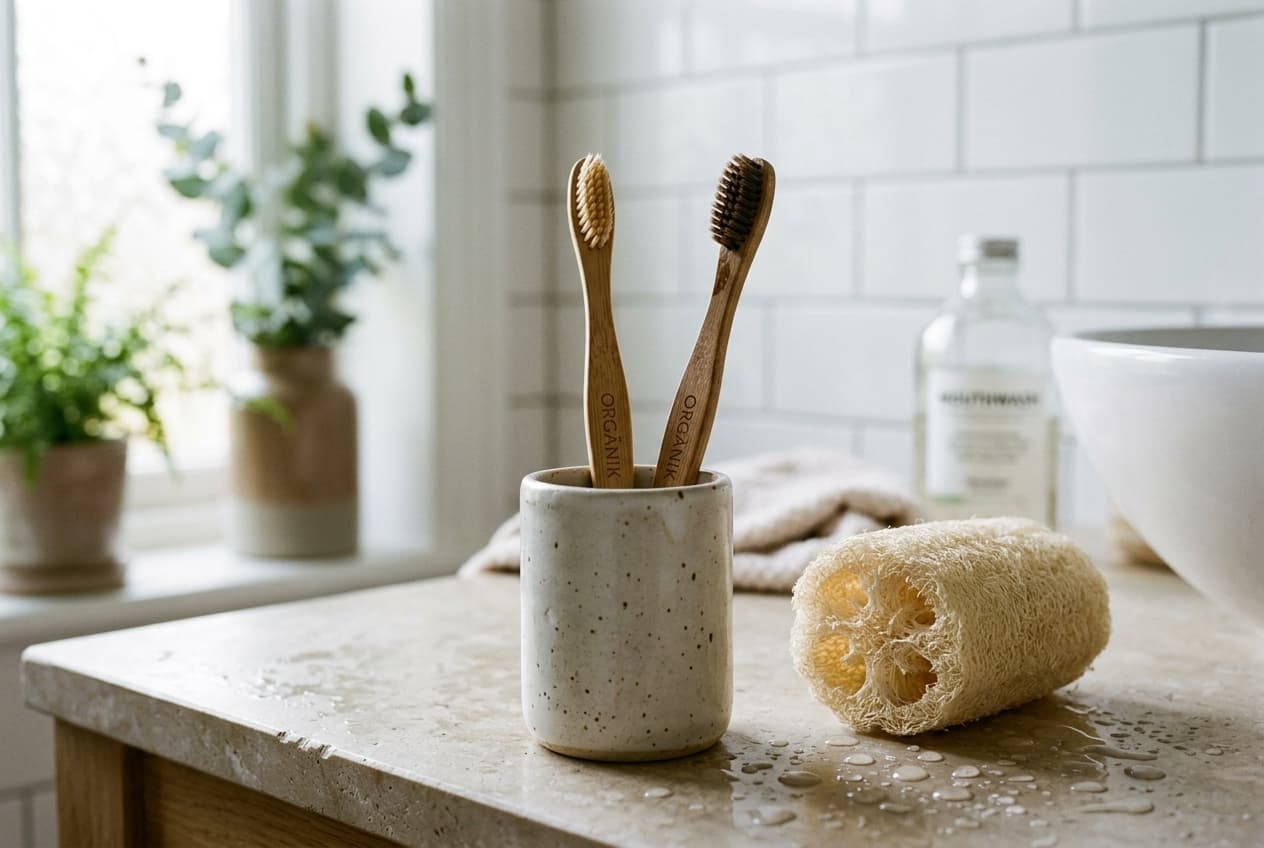
The science behind bristle wear, bacterial accumulation, and why the 90-day cycle protects both your teeth and overall wellness.
Dental associations worldwide recommend changing your toothbrush every three months. Yet most people wait until the bristles splay like a frayed broom. By that point, your toothbrush has lost up to 35% of its plaque-removal efficacy, and abrasive splayed tips can begin microscopically abrading tooth enamel and inflaming gum margins.
Beyond physical mechanical wear, toothbrushes exist in warm, humid bathrooms — the exact environment where ambient microbes thrive. Even with regular rinsing, microbial biofilm inevitably builds up deep within bristle cluster anchors over 90 days.
A seasonal replacement cycle isn't just about dental hygiene; it's a natural cadence of renewal. When you switch to a fresh, plant-based brush every quarter, you ensure optimal bristle tension, protect sensitive roots, and maintain a cleaner oral microbiome without introducing single-use plastic waste.